Most of the internet writes about Fossil Creek Reservoir in one season: winter, when the bald eagles show up and Fort Collins Natural Areas staffs the weekend Eagle Watches. If you live in Fossil Lake, that means the closest big piece of protected habitat to your front door is treated like a nine-week attraction by everyone who does not actually live near it. Late August tells a different story.
The thesis, stated plainly
The reservoir is an Audubon-designated Important Bird Area, and fall migration through Colorado starts earlier and quieter than winter birding pages let on. Fall migration begins in early July with a flood of shorebirds, songbirds, and hummingbirds moving through Colorado, which means the walk you take next Saturday morning is likely to be one of the more interesting ones you will take here all year. It will also be one of the emptiest, because the rest of the county is waiting for the eagles.
That is the local advantage. The rest of this post is how to use it.
What is actually here
The site itself is bigger than most residents assume. Fossil Creek Reservoir Natural Area was created through a partnership between the City of Fort Collins, Larimer County, and North Poudre Irrigation Company to conserve 1,398 acres, and the City of Fort Collins Natural Areas Department manages the site including restoration, trail maintenance, and education programs. The Colorado Birding Trail lists it as designated an "Important Bird Area" by the National Audubon Society, and one of the best birding locations in the area.
The rules here are the reason it feels the way it does. No dogs, no bicycles, no skateboards, and no water access of any kind. Kayaking, paddleboarding, fishing, and swimming are all prohibited. These rules exist to protect the wildlife habitat, and they succeed in keeping the area remarkably quiet and undisturbed compared to other Front Range reservoirs. If you have ever tried to hear a marsh wren over a paddleboarder at Horsetooth, you understand what that restriction buys you.
The three trails, at a glance
| Trail | Length | Surface | What it gives you |
|---|---|---|---|
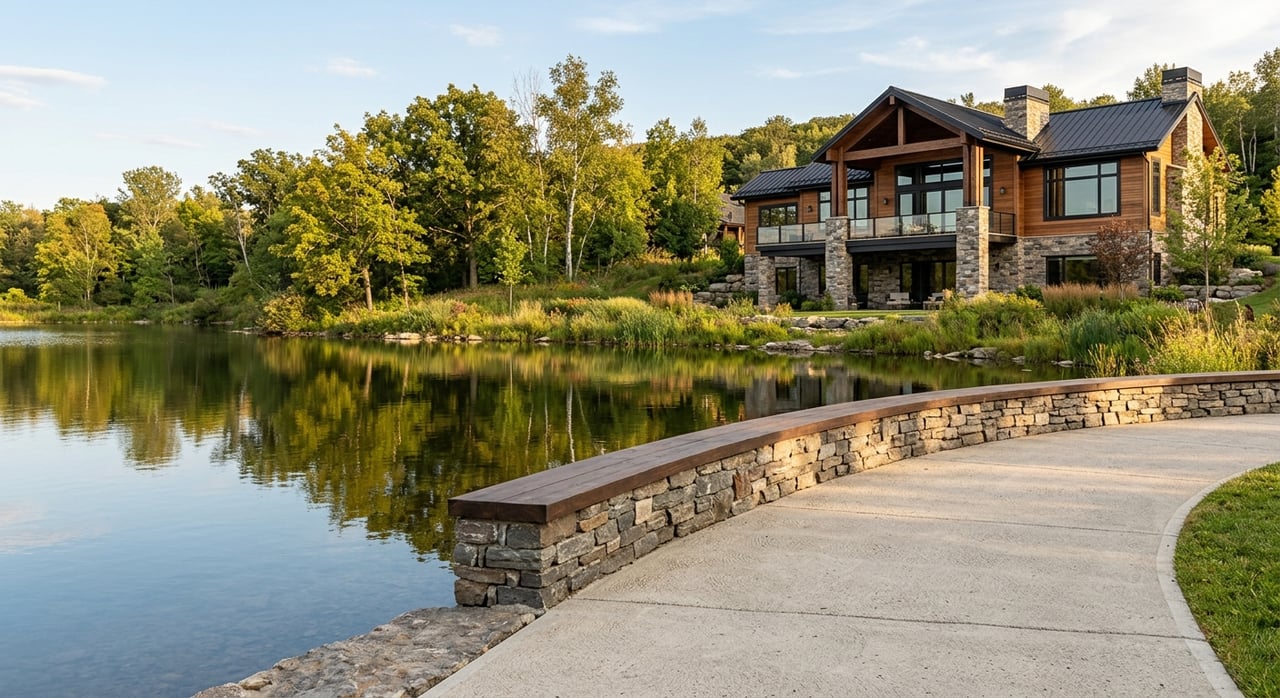
| Heron Loop | 0.3 mi loop | Paved concrete | Paved 0.3-mile loop with an observation deck that extends off the shoreline |
| Sandpiper | 0.5 mi one-way | Loose gravel | Half-mile trail with a wildlife viewing blind, closed March 1 to June 15 for shorebirds and waterfowl nesting |
| Cattail Flats | 1.6 mi loop | Loose gravel | 1.6-mile loop with no elevation change, closed November 15 to March 1 for eagle roosting |
Two of those three are open right now. In late summer that matters, because the Sandpiper viewing blind is one of the best angles on the shorebirds working the mudflats, and it was closed for nesting season through mid-June.
What is moving through in August
Winter birding at the reservoir is legible and easy to plan. Fall migration is the opposite: it rewards residents who can pop over on a whim and check what dropped in overnight.
The general timing pattern for Colorado is clear. The first birds to start migrating in the fall each year are hummingbirds, including the male Calliope Hummingbird, the smallest bird species in North America, which only shows up in Colorado during fall migration. Another hummingbird that only appears in Colorado in the fall is the Rufous Hummingbird. Shorebirds follow through August. The reservoir has form for producing genuine rarities in this window: a Red Knot showed up at Fossil Creek Reservoir in Fort Collins during one September push, the kind of bird a Front Range birder can chase all year and miss.
The staging spectacle later in the fall is worth planning around too. Huge numbers of geese often stage here in late fall, including thousands of Cackling Geese, with some Snow, Ross's, and Greater White-fronted Geese usually mixed in, and sometimes the geese even stay all winter.
A practical note from the site guidance: bring binoculars or a spotting scope, as birds tend to concentrate on the far shoreline. The reservoir is wide. Naked-eye birding is a frustrating experience here in a way it is not at, say, Cattail Chorus.
The August field kit
A short list of things residents figure out after the first visit or two:
- Go early. Early morning or late afternoon provide cooler temperatures and greater birding activity.
- Layer up anyway. Wind exposure is significant on this open prairie landscape, so dress in layers during cooler months, and even in August the wind off the water at 7 a.m. bites more than you expect.
- Bug spray, not optional. Mosquitoes and gnats swarm the gravel trails heavily during summer months, and an occasional odor drifts from the nearby water treatment facility. Both are real. Both pass.
- Leave the dog. No exceptions, no leash workarounds. It is the single biggest reason the wildlife stays visible from the trails.
- Check the parking-lot board. The parking lot has a billboard that lists recent bird sightings. Ten seconds there saves an hour of guessing.
If you want structure, the Fort Collins Audubon Society offers free birding field trips throughout the year, and their calendar is the easiest way to walk the property with someone who can tell a Baird's Sandpiper from a Least at 80 yards.
Pair it with the drive home
The reservoir is a morning, not a day. What you do afterward is what turns it into a routine instead of an errand. From the Eagle Ranch Road entrance, Timberline runs you north toward Jessup Farm Artisan Village in roughly the time it takes to warm the car up.
Jessup Farm is a useful anchor because everything you might want after a two-hour walk is inside one restored 19th-century farmstead. Start your day at Bindle Coffee, a family-owned micro-roastery in the old mechanic's garage, where they roast their own coffee and bake pastries from scratch. If you have earned a longer sit-down, The Farmhouse offers a casual atmosphere set in a 19th-Century farmhouse in the heart of Jessup Farm Artisan Village, with the culinary team led by Chef Michael Gillam bringing fresh twists on comfort food favorites, and weekend brunch runs 9 to 2.
A few other stops worth knowing about at the same address:
- PizzaVino NoCo Italiano, now open, offering authentic Italian pizza and fresh homemade pasta with a selection of wines and craft cocktails in a locally owned, casual setting
- Jessup Farm Barrel House, which specializes in complex, barrel-aged beers
- Josh & John's, founded in Colorado Springs in 1986, with originals like Oatmeal Cookie and Malted Mazel Toff alongside classics like Rocky Mountain Road and Dutch Chocolate
- The Sugar Beet Saloon in the original Jessup Farm barn, offering local beers, wine, and cocktails, plus paninis, charcuterie and cheese boards, giant pretzels, and chips
The village exists partly because of a native-grass restoration effort residents may have noticed driving past. A multi-year native grass restoration project at Jessup Farm and the surrounding Bucking Horse neighborhood requires letting the grass grow long so it can go to seed, which is the same kind of habitat logic that keeps the reservoir productive four miles south.
Zoom out: the Fossil Creek zone
The reservoir is not a standalone amenity. It is the largest piece of a much bigger conservation footprint that sits directly under Fossil Lake's zip code. Since 1993, the City of Fort Collins has worked to conserve the natural areas in the Fossil Creek zone, just south of Harmony Road, and the City's Natural Areas Department currently manages 11 areas in this zone, ranging from the 30-acre Two Creeks Natural Area to the 1,438-acre Fossil Creek Reservoir Natural Area, together providing habitat for more than 280 species of birds, mammals, reptiles, amphibians, and fish.
Those areas are stitched together for people, too. The Long View and Front Range trails connect Fort Collins with Loveland, and the Fossil Creek Trail stretches across much of the city from the foothills all the way to Fossil Creek Reservoir. The practical upshot for a Fossil Lake resident: the same shoes that took you around the Heron Loop on Saturday can take you most of the way to Loveland by Sunday, without a car in between.
That is the version of "living near open space" that does not show up on any listing description. It shows up in whether you actually use it.
If you have not been in a while
Two hours, before the wind picks up, is enough. Park at the main lot off East County Road 32. Walk the paved Heron Loop out to the observation deck. If the parking-lot board points you somewhere specific, take the Sandpiper Trail to the blind. Bring binoculars. Skip the dog. Read whatever the volunteer at the deck is telling people. Drive north on Timberline and let Bindle handle the coffee.
If a walk like that starts to feel like a regular part of your weekend, and you begin to think about whether your next home should keep you this close to the Fossil Creek zone or move you deeper into it, that is the kind of conversation Ryan Livingston has all the time with neighbors here. Let's Connect when you are ready to talk through what your options look like inside, and adjacent to, Fossil Lake.