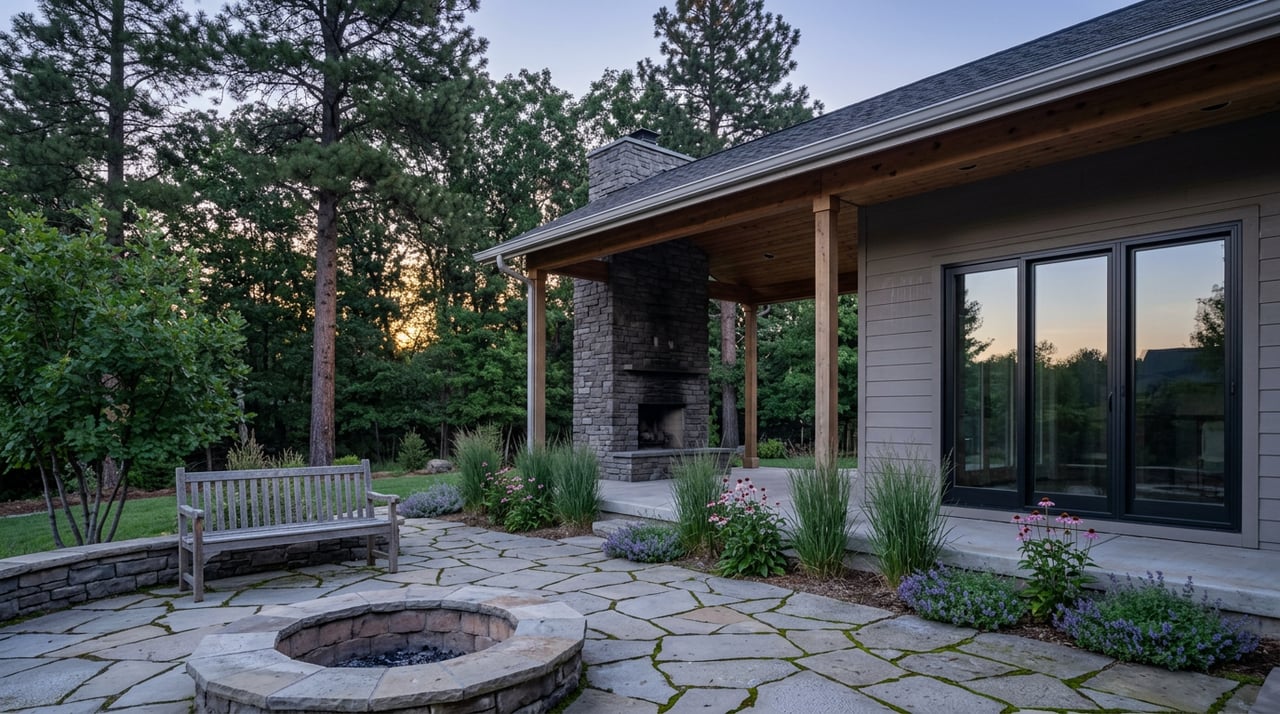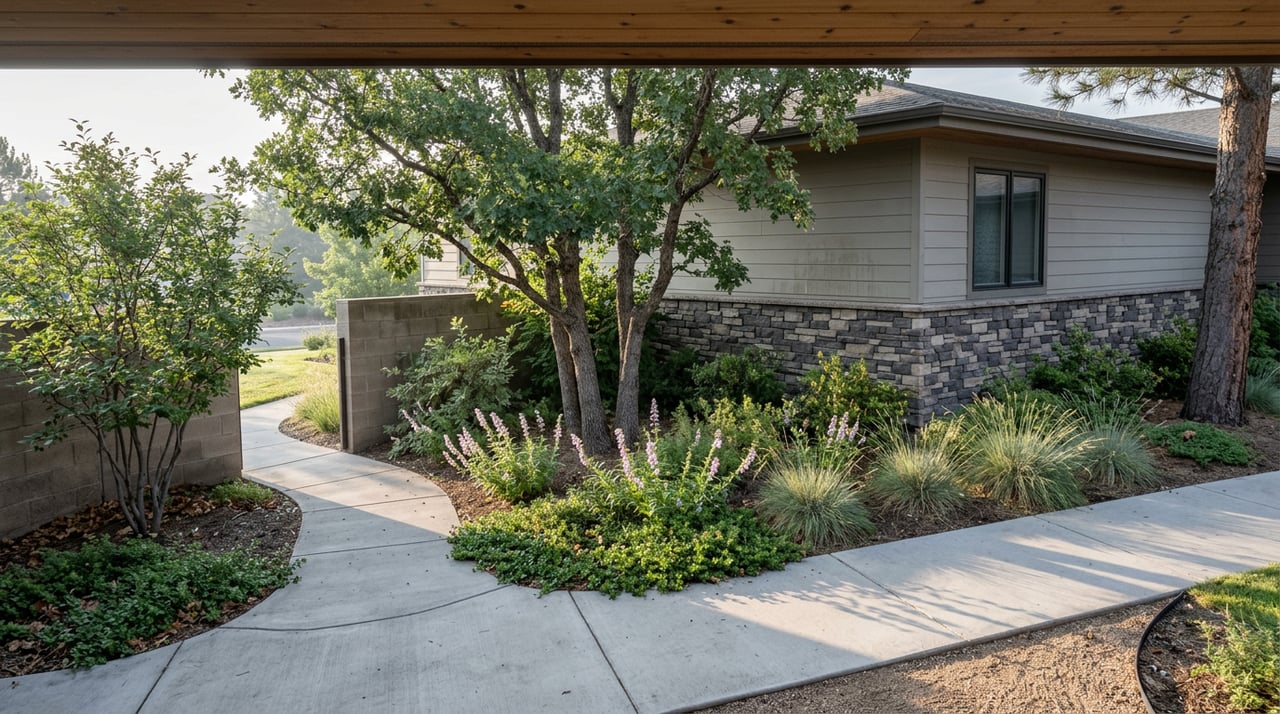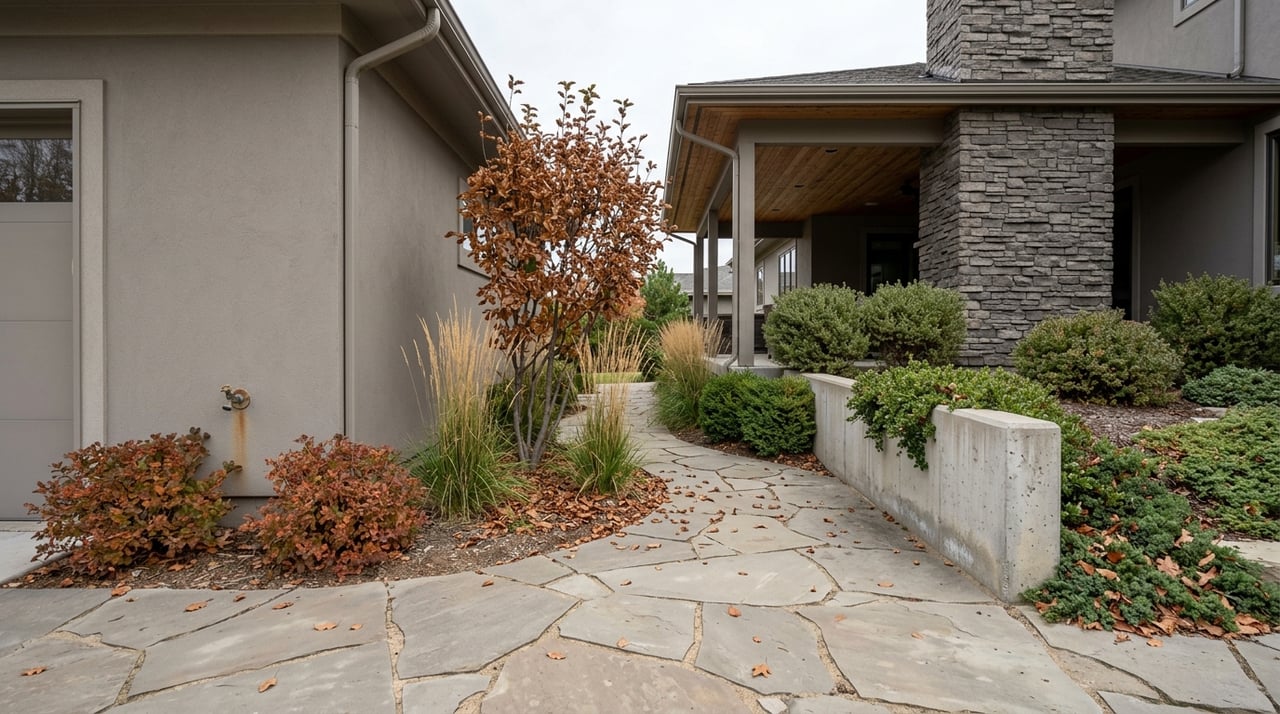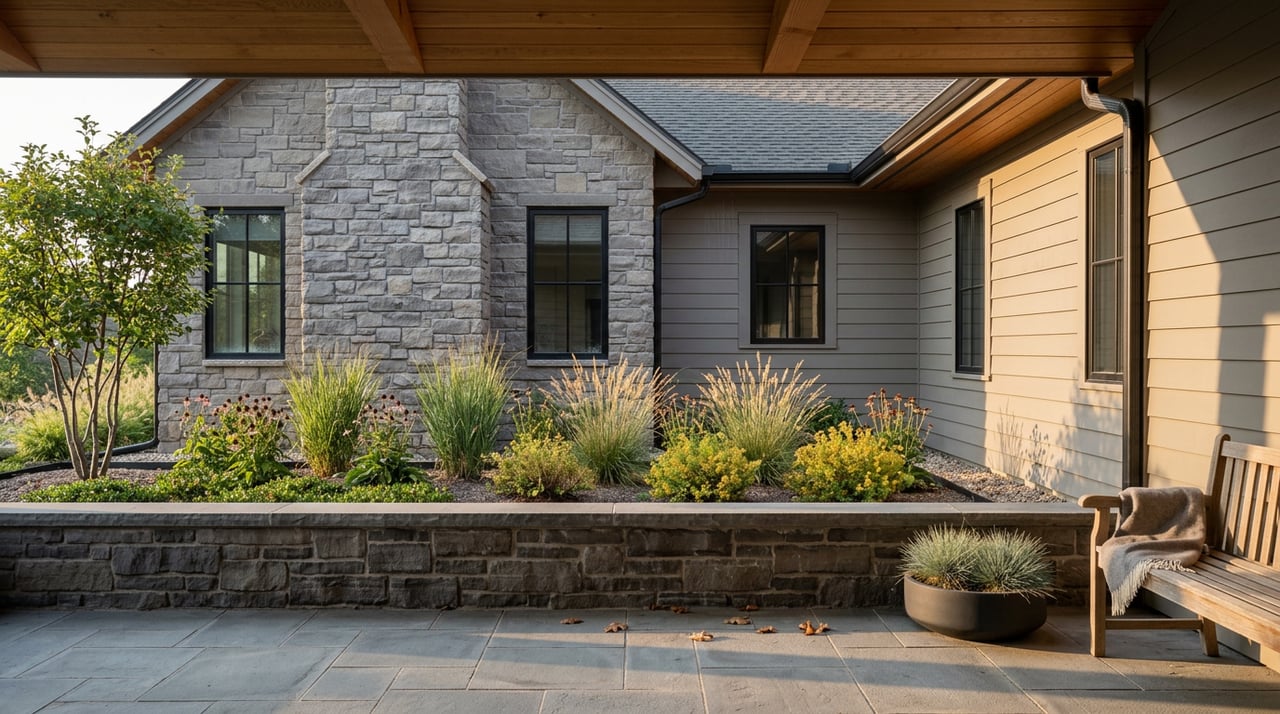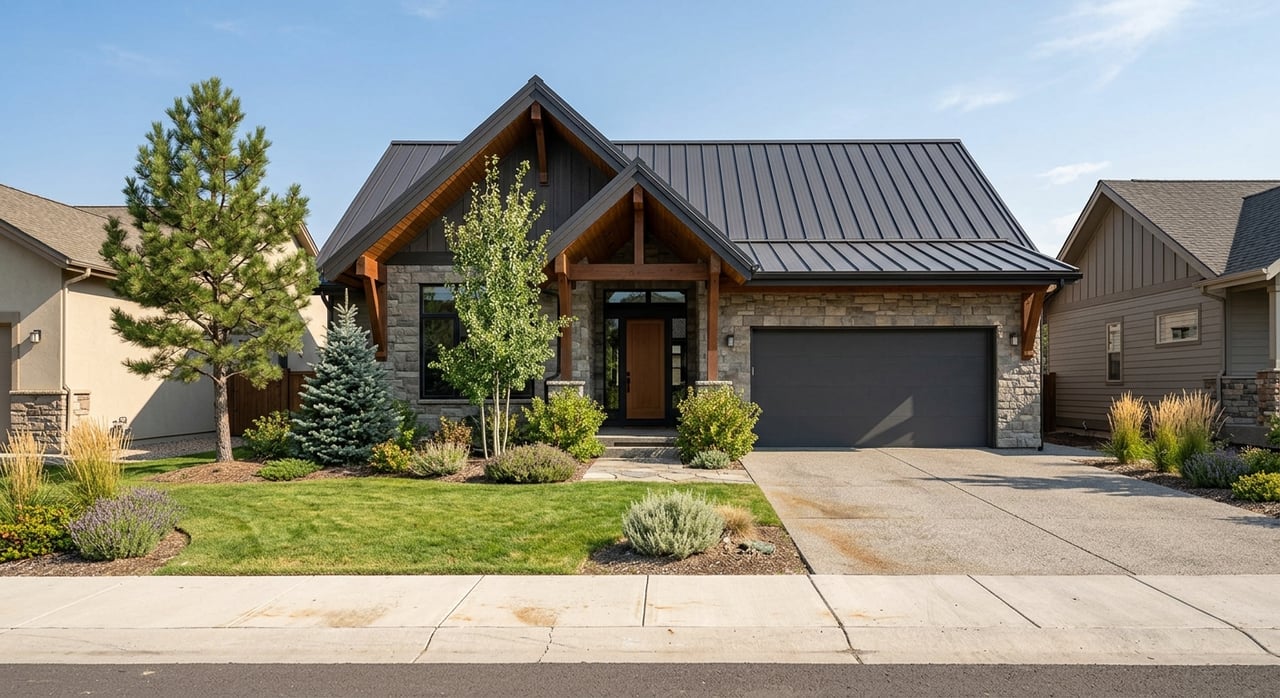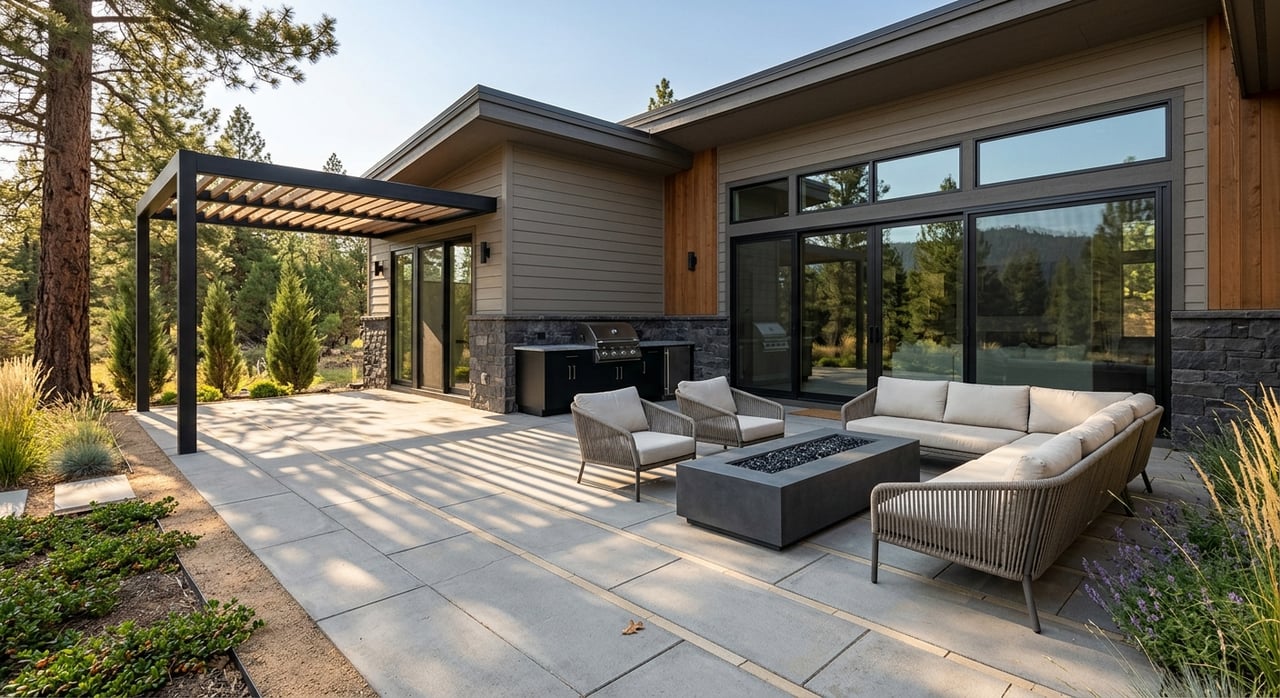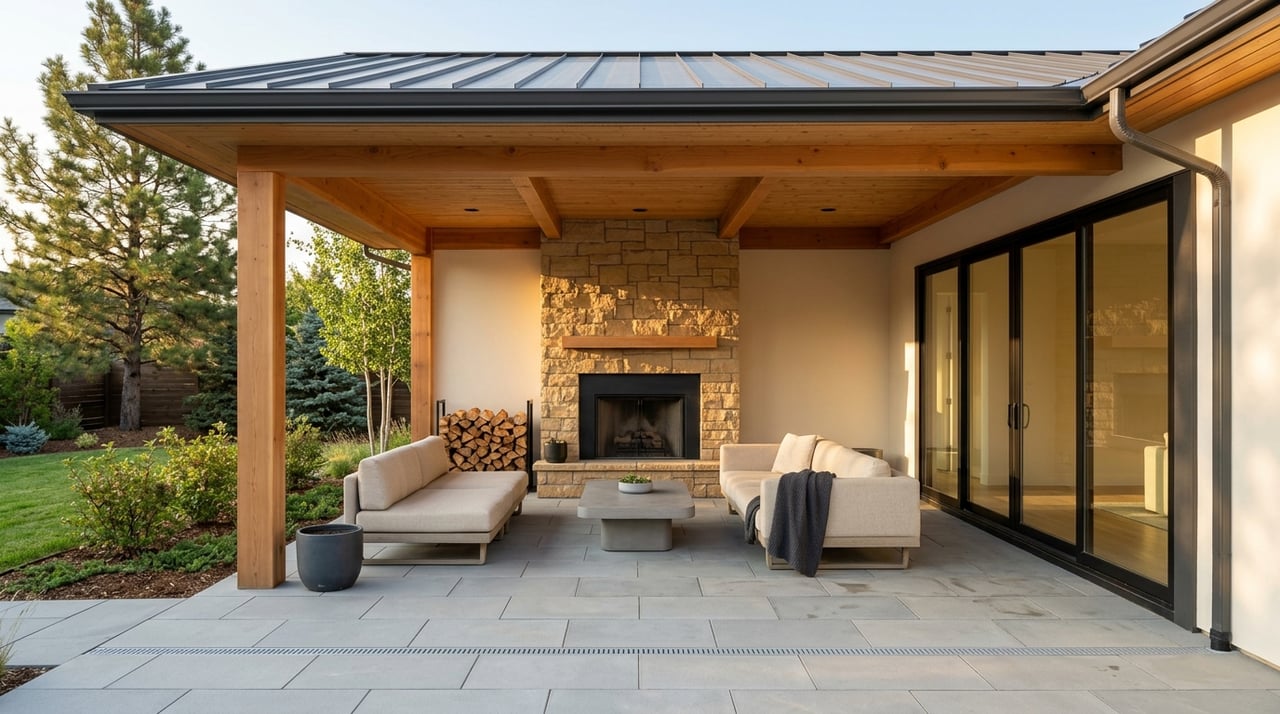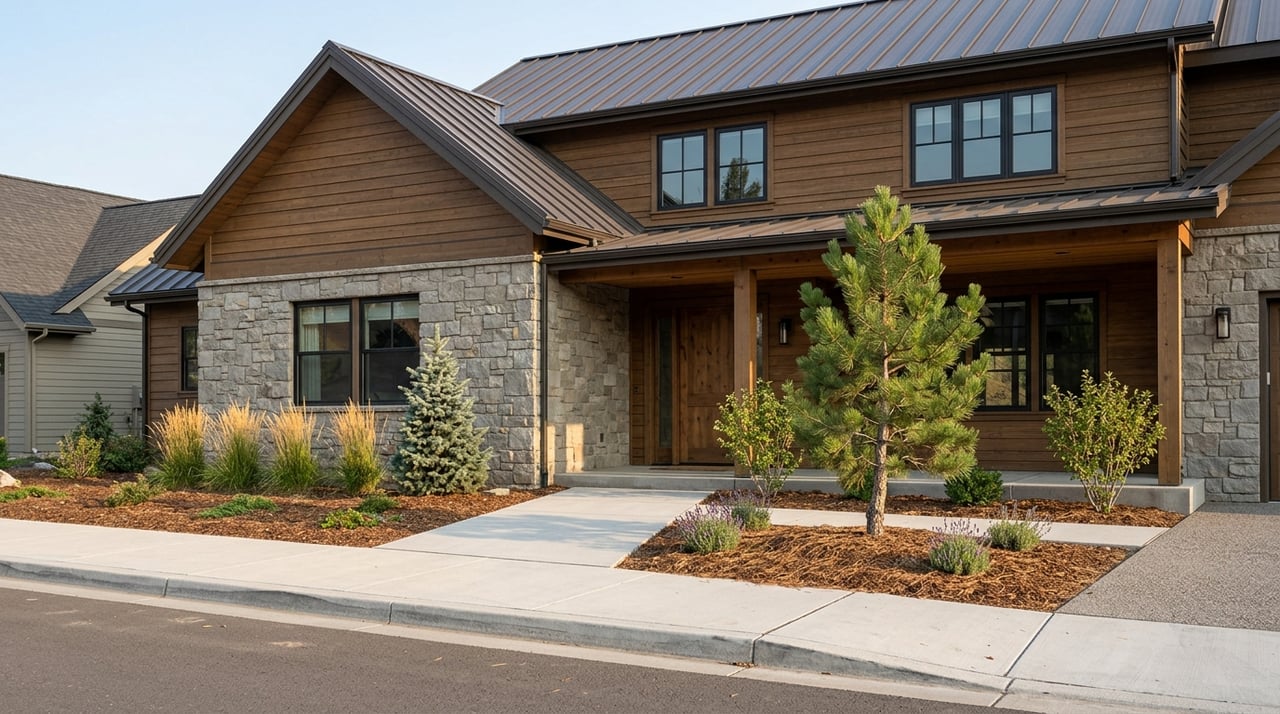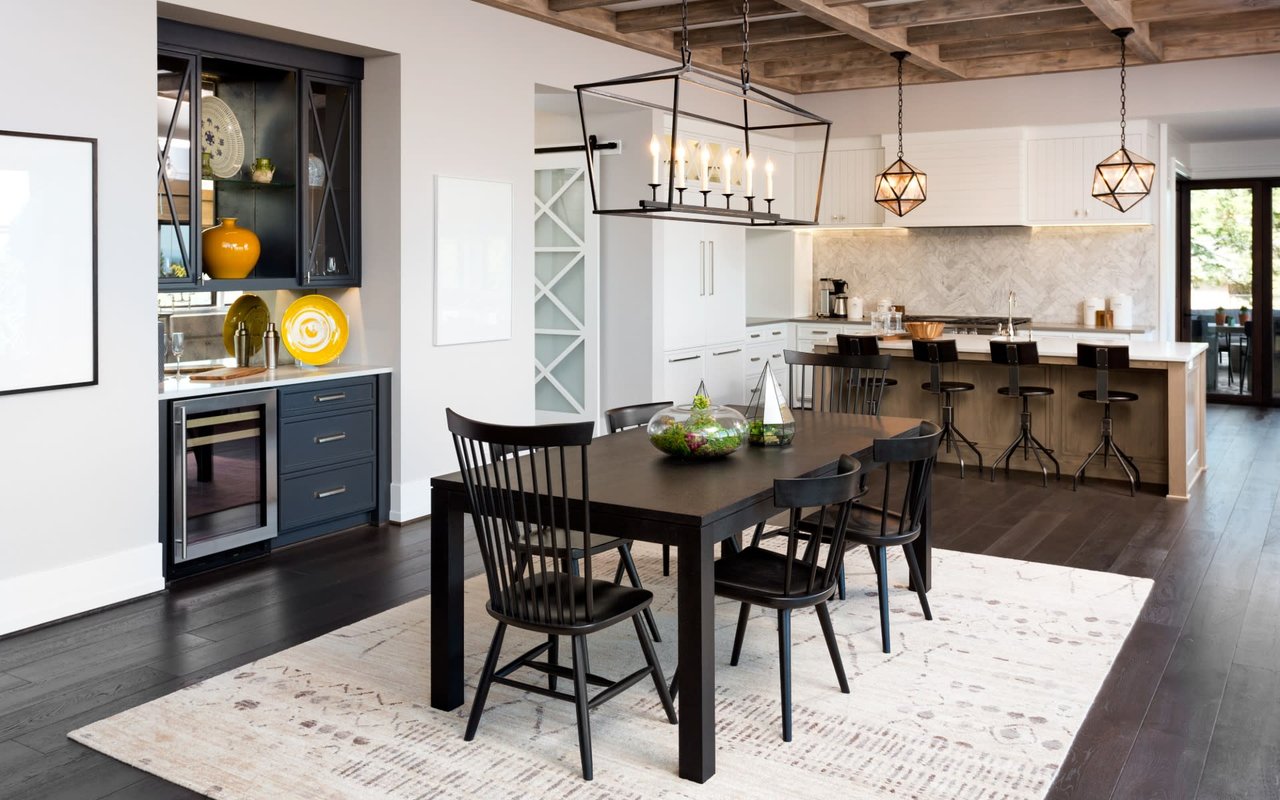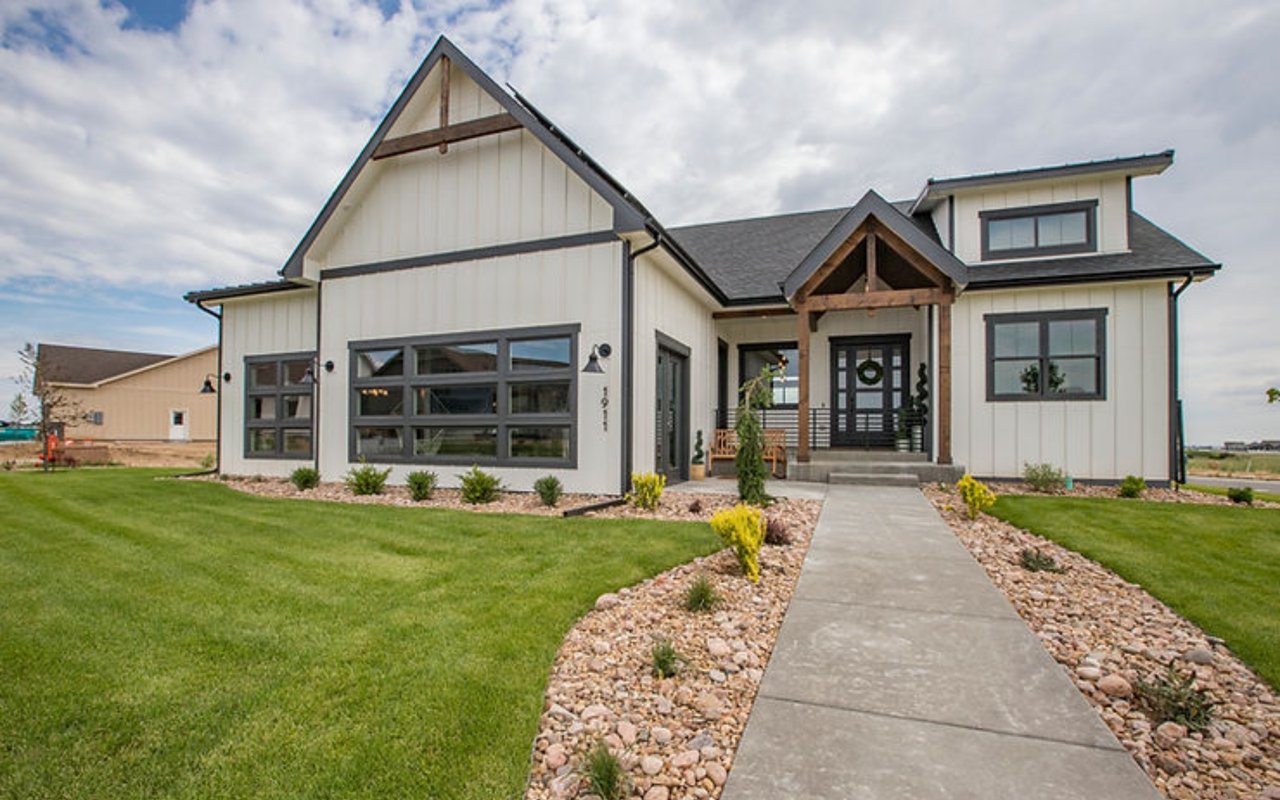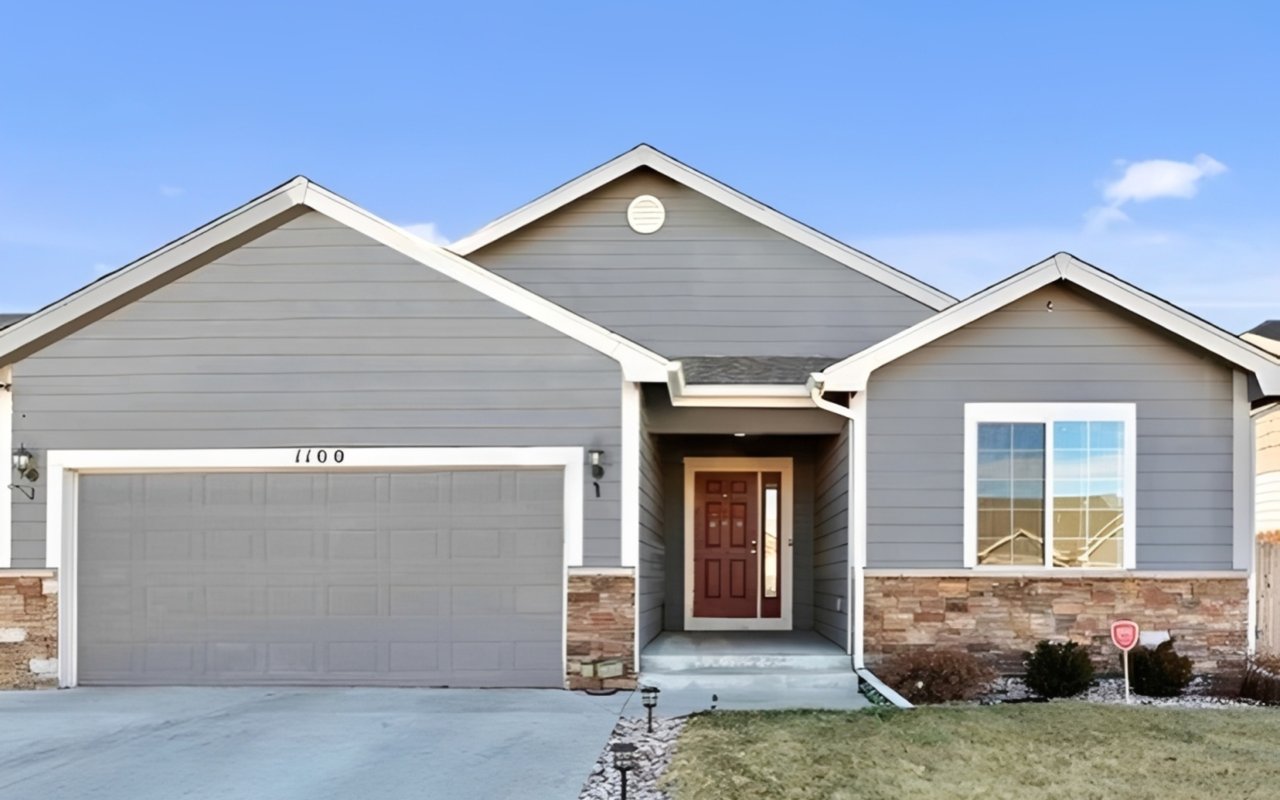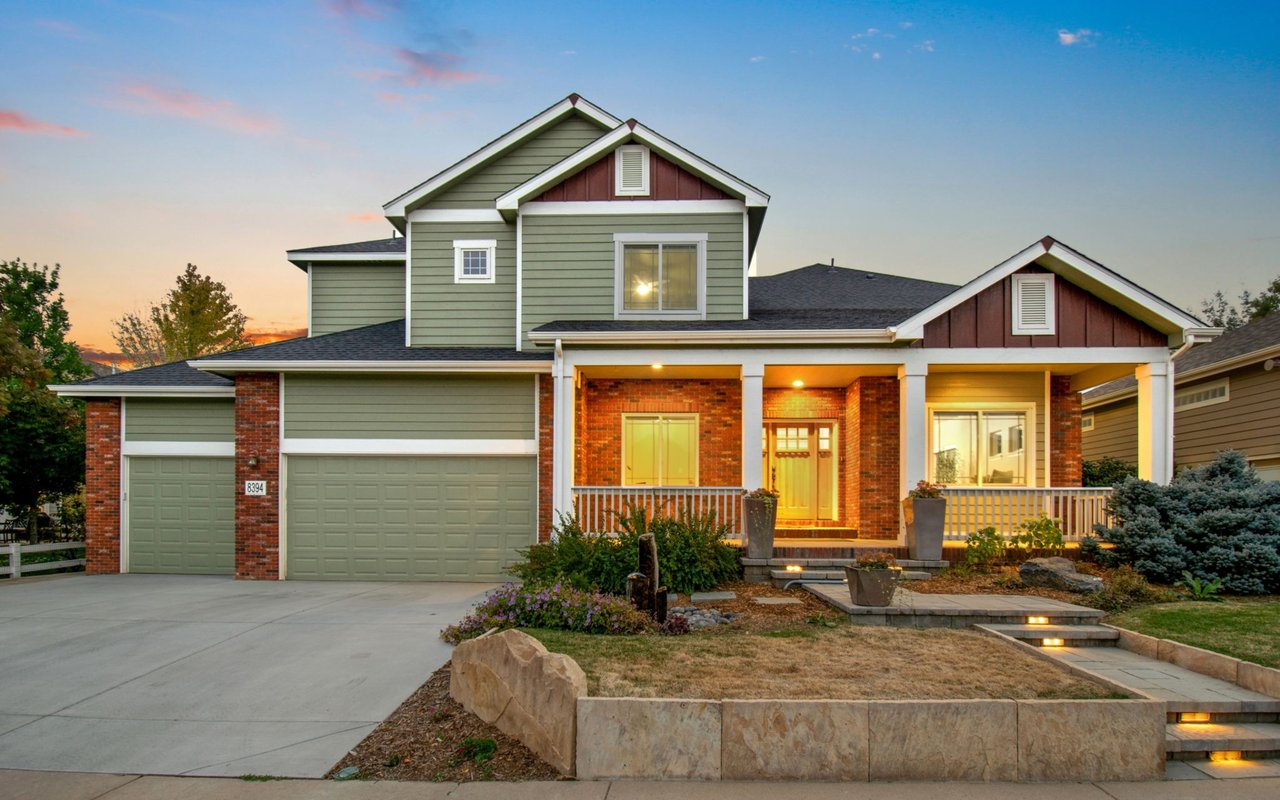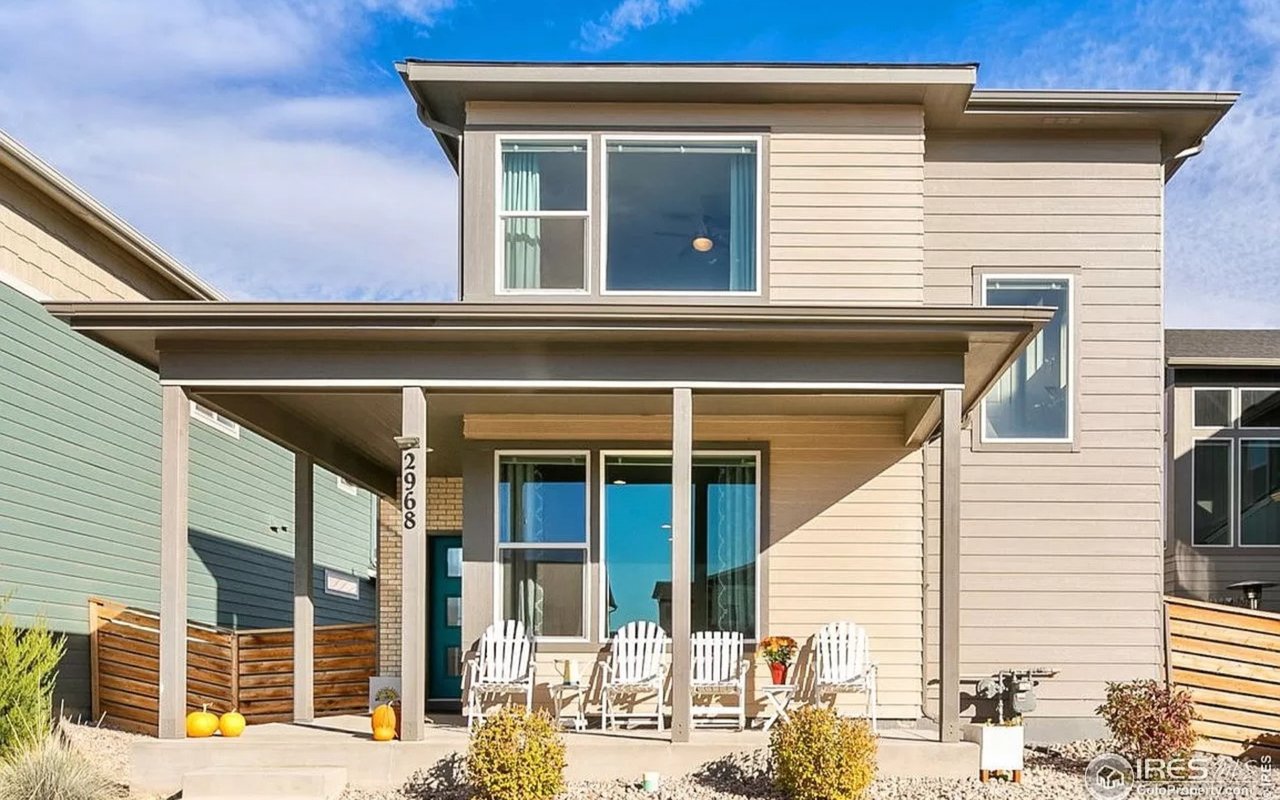
Walk two blocks in Fossil Lake and you can pass a home finished in 2002 next to one finished in 2007. From the sidewalk they look like siblings: same stucco tones, same builder pedigree, maybe even the same crew working different phases of the same subdivision. But underneath the slab, they don't start from the same place. One of them predates the year Fort Collins began requiring a passive radon system in every new home. The other doesn't.
That gap matters more than it used to. Since August 7, 2023, Colorado law has required every residential sales contract to disclose what a seller knows about a home's radon history, whether it's been tested, what the results were, and whether a mitigation system is already in place. For a neighborhood built almost entirely in the 2000s, that law lands on a real dividing line running through Fossil Lake's own construction timeline, not just a generic statewide rule.
Same Streets, Different Starting Points
Fossil Lake Ranch broke ground around 2000, with builders including KEM, Liberty, Stoneybrook, Stonefield, and Jamestown filling in phases over the following years. Independent housing data backs up just how concentrated that build-out was: NeighborhoodScout reports that 84.5 percent of homes in Fossil Lake were built after 1999, a share higher than 97.7 percent of neighborhoods nationwide.
What that statistic doesn't tell you is where the code changed mid-build. Fort Collins adopted its passive radon requirement effective January 1, 2005, tied to the city's adoption of the 2003 International Residential Code, according to the City of Fort Collins building codes page. That made Fort Collins the second municipality in Colorado to require it, right behind Aspen in 2003. A home in Fossil Lake permitted in 2002 or 2003 was built before that requirement existed. A home permitted in 2005 or later was built with a passive system as a baseline feature, not an upgrade.
If you're comparing two similarly priced Fossil Lake listings this fall, the build year on the listing sheet is doing more work than most buyers realize.
What a Passive System Actually Promises
A passive radon system sounds like a solved problem, but it's closer to a head start than a guarantee. The basic setup runs a PVC vent pipe from gravel or open soil beneath the slab up through the house and out the roof, paired with a sealed vapor barrier between the slab and the ground. No fan, no power draw, just a path of least resistance for soil gas to escape before it enters living space.
The honest number on how well that works comes from a Front Range study on soil gas collection systems, which found that passive systems alone reduced radon levels by an average of 49 percent, well short of a guarantee that a home lands under the EPA's 4.0 picocurie action level. That's why builders wire in a junction box near the vent pipe. If a post-construction test comes back high, an inline fan turns the passive system into an active one.
Local inspectors say the same thing about brand-new construction across Larimer County: even homes built with every radon-resistant feature on the checklist can still test above 4.0 pCi/L. The system lowers your odds. It doesn't eliminate them.
Larimer County carries an EPA Radon Zone 1 classification, and the county's own health department puts the average indoor radon level in the area at 7.8 picocuries per liter, well above the national average of 1.3 and above the EPA's 4.0 action threshold.
That's not a scare number pulled from a mitigation company's sales page. It's the figure Larimer County itself publishes on its radon program page.
The Law That Changed What Sellers Must Say
SB23-206 didn't create the radon problem. It just made silence about it legally harder. Every residential sales contract in Colorado now has to carry a bold-faced advisory recommending buyers test before closing, and the seller has to disclose, in writing, whether the property has ever been tested, what the most recent results showed, whether any mitigation or remediation happened, and whether a mitigation system is currently installed. The Colorado Division of Real Estate's practice advisory spells out the required language in full.
The practical effect for Fossil Lake sellers is this: "I don't know" is now a documented answer, not an absence of one. If you've never tested and have no records, that gets written into the contract just as clearly as a high reading would. Buyers reading a disclosure that says no testing has ever occurred, in a Zone 1 county, tend to schedule their own test during the inspection period regardless of what the passive system label promises.
Here's how that plays out depending on when your Fossil Lake home was built:
| Built before Jan. 1, 2005 | Built Jan. 1, 2005 or later |
|---|---|
| No passive system required by code at time of construction | Passive system required as part of the original build |
| Disclosure form likely shows no built-in mitigation unless added later | Disclosure form should reflect the existing passive infrastructure |
| First test result carries more weight in negotiations | Buyers may still request a fresh test rather than rely on system age |
| Retrofit mitigation runs a full active system installation | Upgrade to active may only require adding a fan to existing piping |
Why Timing Your Test Matters
Radon behaves differently by season, which is part of why a test done in July and one done in January on the same house can tell different stories. Cold weather intensifies what's known as the stack effect: heated indoor air rises and escapes through the upper floors, pulling negative pressure that draws more soil gas up through foundation cracks and sump pits. Local radon professionals in the area report winter readings commonly running 30 to 50 percent higher than summer readings in the same home.
For a Fossil Lake seller weighing whether to test before listing, that means a clean summer reading isn't necessarily the full picture, and a seller who tests once in July and moves on may be underselling their own house's risk profile. For a buyer negotiating in winter, an elevated reading might partly reflect the season rather than a permanent condition, though it still has to be addressed under EPA guidance either way.
If You're Selling in Fossil Lake
Test before you list, not after an inspection contingency forces the question. A result in hand lets you control the narrative in your disclosure rather than reacting to a buyer's inspector. If your home was built before 2005 and has no passive system, that's simply a fact to disclose, not a defect to hide, and a documented test with acceptable results can be one of the more reassuring pieces of paper in your seller's disclosure packet. If your home does have a passive system, know that its presence alone doesn't satisfy the disclosure requirement. The law asks for actual test results and mitigation history, not just a description of the piping.
If You're Buying in Fossil Lake
Don't let a 2018 build date or a "radon system included" line in the listing description stand in for a test result. Ask directly whether the home has ever been tested, and if the answer is no, factor a testing period into your inspection contingency. A passive system in a newer Fossil Lake home is a meaningfully better starting point than no system at all, but it's a starting point, not a finish line, especially in a county where the health department's own average sits nearly double the federal action level.
A Few Questions Worth Settling Upfront
Does Colorado require radon mitigation, or just testing? The state requires disclosure of testing history and mitigation status. Mitigation itself isn't mandated, though the EPA recommends it at or above 4.0 pCi/L.
Is a passive system the same as an active one? No. Passive relies on natural airflow through a sealed pipe. Active adds a powered fan to the same piping, and is typically installed after a post-construction test comes back elevated.
Does the disclosure law apply to new construction, not just resale? Yes. Any residential sales contract falls under SB23-206, whether the home is brand new or decades old.
Fossil Lake's mix of build years is part of what makes it a genuinely interesting neighborhood to buy or sell in right now, but it also means no two disclosure conversations look quite the same. If you're weighing a listing or comparing homes on opposite sides of that 2005 line, Ryan Livingston can walk through what your specific address means for testing, timing, and disclosure. Let's Connect.